
 Facebook
 X
X LinkedIn
 Forward
Neuropsychiatry: A Comprehensive Update, 2026
Modality: Hybrid

Join us in person at the Fairmont Copley Plaza in Boston, Massachusetts, or virtually for the BWH Neuropsychiatry: A Comprehensive Update 2026 Conference!
Virtual Registration
We are offering a full virtual option to accommodate those who can not attend in person. For more information and to register, please click the link below.
Description
Neuropsychiatry is an exciting and rapidly growing field that promotes an improved understanding of the brain and mind relationship. It seeks to elucidate the neurocircuitry involved in primary psychiatric symptoms and syndromes such as mood, anxiety, psychotic, and somatic symptom disorders, and in neurological disorders that present with cognitive, emotional, or behavioral problems. The goal of neuropsychiatry is to advance diagnostic processes and treatment options for patients suffering from these disorders.
Healthcare professionals need to formulate an integrated understanding of neuropsychiatric disorders and implement interventions aligned with such an integrated vision. Interventions include the adaptation of psychotherapy interventions for patients with cognitive deficits, a judicious use of psychopharmacological agents, and appropriate use of brain stimulation therapies or referrals to specialists who use these techniques. They need to become familiar with medical conditions that could manifest with neuropsychiatric symptoms and know how to treat them, refer to other specialists, or work collaboratively with medical subspecialists. Ideally, neuropsychiatric conditions require comprehensive evaluations and evidence-based therapeutic approaches delivered by interdisciplinary teams.
This course is designed to enhance participants’ knowledge of brain-behavior relationships and their skills for the diagnostic work-up and treatment of patients with neuropsychiatric disorders. Harvard Medical School faculty will review cutting-edge clinical research, evidence-based interventions, and practical guidelines for the clinician. The course content will include the functional neuroanatomy of emotions, cognition, and behavior, the fundamentals of the neuropsychiatric exam and relevant ancillary tests, and neuropsychopharmacological and non-pharmacological interventions in neuropsychiatric disorders. We will discuss the neuropsychiatric aspects of traumatic brain injury, epilepsy, neurodegenerative disorders, neuroinflammatory disorders, multiple sclerosis, functional neurological disorders, sleep disorders, Tourette Syndrome, and other neurodevelopmental disorders, addiction, pain, and other disorders. Learners will benefit from a variety of educational formats, including lectures, panel discussions, case discussions, question-and-answer sessions, and an electronic syllabus.
Target Audience
Clinicians
- Physicians
- Neuropsychologists
- Psychologists
- Social Workers
- Physician Assistants
- Nurse Practitioners
- Nurses
- Pharmacists
Specialties
- Psychiatry
- Neurology
- Primary Care and Family Medicine
- Geriatric Medicine
- Pathology
- Pediatrics
- Physical Medicine and Rehabilitation
- Preventive Medicine
Learning Objectives:
Upon completion of this activity, participants will be able to:
- Evaluate brain-behavior relationships and identify neurocircuitry as they pertain to neuropsychiatric manifestations.
- Learn to integrate history and mental status examination with relevant diagnostic work-up to generate differential diagnoses in neuropsychiatry and monitor treatment.
- Enhance recognition of prominent and distinctive neuropsychiatric manifestations of common neurological and medical disorders.
- Enhance knowledge of available treatments for patients with neuropsychiatric disorders.
- Recognize the roles of prevention and team-based approaches to the assessment and treatment of neuropsychiatric conditions.
- Recognize neuropsychiatric manifestations and treatment considerations in special populations such as oncological patients, children and adolescents, older adults, and in forensic settings.
- Recognize the neurocognitive manifestations of the most common primary psychiatric disorders, such as schizophrenia, bipolar disorder, major depressive disorder, and anxiety.
Pricing
Physicians:
Early Bird Registration (on or before August 30, 2026): $825.00
Regular Registration (after August 30, 2026): $875.00
Nurses:
Early Bird Registration (on or before August 30, 2026): $650.00
Regular Registration (after August 30, 2026): $700.00
Residents/Fellows:
Early Bird Registration (on or before August 30, 2026): $250.00
Regular Registration (after August 30, 2026): $300.00
Social Workers:
Early Bird Registration (on or before August 30, 2026): $500.00
Regular Registration (after August 30, 2026): $550.00
Psychologists:
Early Bird Registration (on or before August 30, 2026): $650.00
Regular Registration (after August 30, 2026): $700.00
Allied Health Professionals (Including Physician Assistants):
Early Bird Registration (on or before August 30, 2026): $650.00
Regular Registration (after August 30, 2026): $700.00
E-Syllabus
We provide all attendees with completely free access to all slide presentations in digital PDF format prior to the conference. This is an environmentally friendly alternative and helps keep costs lower for all attendees. The e-syllabus will be available for 30 days after the conference.
Session Recordings
All sessions will be recorded. Registered participants will have access to these recordings for 30 days after the conference to review at their convenience.
Cancellation Policy
A refund minus a $100.00 administrative fee will be issued for refund requests received by October 1, 2026. No refunds will be issued for refund requests made after October 2, 2026. Payments made may not be applied to future conferences or other educational activities. There are no exceptions to these policies.
Accreditation

In support of improving patient care, MGH Institute of Health Professions is jointly accredited by the Accreditation Council for Continuing Medical Education (ACCME), the Accreditation Council for Pharmacy Education (ACPE), and the American Nurses Credentialing Center (ANCC) to provide continuing education for the healthcare team.
Psychologists

Continuing Education (CE) credits for psychologists are provided through the co-sponsorship of the American Psychological Association (APA) Office of Continuing Education in Psychology (CEP). The APA CEP Office maintains responsibility for the content of the programs. MGH Institute of Health Professions designates this activity for 20 CE credits.
Physicians
MGH Institute of Health Professions designates this live activity for a maximum of 20 AMA PRA Category 1 Credits™. Physicians should claim only credit commensurate with the extent of their participation in this activity.
Physician Associates/Assistants

MGH Institute of Health Professions has been authorized by the American Academy of PAs (AAPA) to award AAPA Category 1 CME credit for activities planned in accordance with AAPA CME Criteria. This activity is designated for 20 AAPA Category 1 CME credits. PAs should only claim credit commensurate with the extent of their participation.
Nursing
MGH Institute of Health Professions designates this activity for 20 contact hours for nurses. The American Academy of Nurse Practitioners Certification Board (AANPCB) accepts credit from organizations accredited by the ACCME and ANCC.
Social Workers

As a Jointly Accredited Organization, the MGH Institute of Health Professions is approved to offer social work continuing education by the Association of Social Work Boards (ASWB) Approved Continuing Education (ACE) program. Organizations, not individual courses, are approved under this program. State and provincial regulatory boards have the final authority to determine whether an individual course may be accepted for continuing education credit. MGH Institute of Health Professions maintains responsibility for this course. Social workers completing this course receive 20 clock hours for continuing education credits.
Pharmacist (ACPE)

This activity provides 20 contact hours (1.0 CEUs) of continuing education credit. ACPE Universal Activity Number UAN JA4008265-0000-24-000-L04-P
NOTE FOR PHARMACISTS: Upon closing of the electronic evaluation, MGH IHP will upload the pharmacy-related continuing education information to CPE Monitor within 60 days. Per ACPE rules, MGH IHP does not have access to or the ability to upload credits requested after the evaluation closes. It is the responsibility of the pharmacist or pharmacy technician to provide the correct information [NABP ePID and DOB (in MMDD format)] in order to receive credit for participating in a CE activity.
IPCE Credit

This activity was planned by and for the healthcare team, and learners will receive 20 Interprofessional Continuing Education (IPCE) credits for learning and change.
Course summary
- 20.00 AAPA Category 1 CME
 MGH Institute of Health Professions has been authorized by the American Academy of PAs (AAPA) to award AAPA Category 1 CME credit for activities planned in accordance with AAPA CME Criteria. This activity is designated for 20.00 AAPA Category 1 CME credits. Approval is valid until 10/31/2026. PAs should only claim credit commensurate with the extent of their participation.
 - 20.00 AMA PRA Category 1 Credit™
This activity has been planned and implemented in accordance with the accreditation requirements and policies of the Accreditation Council for Continuing Medical Education (ACCME) through the joint providership of IHP and Massachusetts General Hospital. IHP is accredited by the ACCME to provide continuing medical education for physicians.
IHP designates this Live activity for a maximum of 20.00 AMA PRA Category 1 Credit™. Physicians should only claim credit commensurate with the extent of their participation in the activity.
- 20.00 Nursing Contact Hours
Massachusetts General Laws, Chapter 13, sections 13, 14, 14A, 15 and 15D and Chapter 112, sections 74 through 81C authorize the Board of Registration in Nursing to regulate nursing practice and education.
This program meets the requirements of the Massachusetts Board of Registration in Nursing (244 CMR 5.00) for 20.00 contact hours of nursing continuing education credit. Advance practice nurses, please note: Educational activities which meet the requirements of the ACCME (such as this activity) count towards 50% of the nursing requirement for ANCC accreditation.
- 20.00 Social Workers
As a Jointly Accredited Organization, the MGH Institute of Health Professions is approved to offer social work continuing education by the Association of Social Work Boards (ASWB) Approved Continuing Education (ACE) program. Organizations, not individual courses, are approved under this program. State and provincial regulatory boards have the final authority to determine whether an individual course may be accepted for continuing education credit. MGH Institute of Health Professions maintains responsibility for this course. Social workers completing this course receive 20.00 clock hours for continuing education credits.
- 20.00 Participation
This course allows other providers to claim a Participation Certificate upon successful completion of this course.
Participation Certificates will specify the title, location, type of activity, date of activity, and number of AMA PRA Category 1 Credit™ associated with the activity. Providers should check with their regulatory agencies to determine ways in which AMA PRA Category 1 Credit™ may or may not fulfill continuing education requirements. Providers should also consider saving copies of brochures, agenda, and other supporting documents.
- 20.00 Psychologists CE Credit
Continuing Education (CE) credits for psychologists are provided through the co-sponsorship of the American Psychological Association (APA) Office of Continuing Education in Psychology (CEP). The APA CEP Office maintains responsibility for the content of the programs. MGH Institute of Health Professions designates this activity for 20.00 CE credit.
Brigham and Women’s Hospital/Mass General Brigham
Neuropsychiatry: A Comprehensive Update 2026
October 22-24, 2026
Fairmont Copley Plaza, Boston
Agenda
Day 1 – Thursday, October 22, 2026
7:50-8:00 AM Welcome & Introduction
David Silbersweig, MD
MODULE TOPIC 1: Structural and Functional Neuroanatomy
8:00–8:40 AM A Neuroanatomy Primer
Jeremy Schmahmann, MD
8:40-9:20 AM Functional Neurocircuitry of Affective and Behavioral Processes and Neuropsychiatric Syndromes
David Silbersweig, MD
9:20-10:00 AM Functional Neurocircuitry of Cognition and Cognitive Syndromes
Kirk Daffner, MD
10:00-10:20 AM Panel Discussion
Moderator: Scott McGinnis, MD
Panelists: David Silbersweig, MD; Jeremy Schmahmann, MD;
Kirk Daffner, MD
10:20-10:30 AM Break
MODULE TOPIC 2: Neuropsychiatric Assessment
10:30-11:05 AM The Neuropsychiatric Exam and Ancillary Tests
Sheldon Benjamin, MD
11:05-11:35 AM Neuroimaging in Clinical Neuropsychiatry
Joshua Klein, MD, PhD
11:35 AM-12:05 PM Neuropsychological Evaluation in Neuropsychiatry
Deborah Green, PhD, ABPP
12:05-12:20 PM Panel Discussion
Moderator: Scott McGinnis, MD
Panelists: Sheldon Benjamin, MD; Joshua Klein, MD, PhD;
Deborah Green, PhD, ABPP
12:20-1:05 PM Lunch Break (on your own)
MODULE TOPIC 3: Neuropsychiatric Therapeutics Part 1
1:05-1:45 PM Brain Stimulation Therapies in Neuropsychiatry
Michael Fox, MD, PhD
1:45-2:15 PM Psychopharmacology: Drugs That Affect Cognition
Isaiah Kletenik, MD
2:15-2:45 PM Psychopharmacology: Neuropsychiatric Syndromes
Maurizio Fava, MD
2:45-3:05 PM Panel Discussion
Moderator: Gaston Baslet, MD
Panelists: Maurizio Fava, MD; Isaiah Kletenik, MD;
Michael Fox, MD, PhD
3:05-3:15 PM Break
MODULE TOPIC 4: Neuropsychiatric Therapeutics Part 2
3:15-4:05 PM Psychosocial Interventions in Neuropsychiatry
Abby Altman, PhD; Emma Weizenbaum, PhD
4:05-4:35 PM Optimizing Brain Health: Lifestyle, Aging, and Disease Risk Reduction
Seth Gale, MD
4:35-4:55 PM Panel Discussion
Moderator: Gaston Baslet, MD
Panelists: Emma Weizenbaum, PhD; Abby Altman, PhD; Seth Gale, MD
4:55-5:00 PM Concluding Remarks
Gaston Baslet, MD
Day 2 – Friday, October 23, 2026
7:50-8:00 AM Welcome & Introduction
Kirk Daffner, MD
MODULE TOPIC 5: Neuropsychiatry of Neurological Disorders Part 1
8:00-8:30 AM Acute and Subacute Neurocognitive Impairments
Scott McGinnis, MD
8:30-9:00 AM Neuropsychiatry of Alzheimer's Disease
Nancy J. Donovan, MD
9:00-9:30 AM Neuropsychiatric Aspects of Frontotemporal Dementia
Brad Dickerson, MD
9:30-9:50 AM Panel Discussion
Moderator: Kirk Daffner, MD
Panelists: Scott McGinnis, MD; Nancy J. Donovan, MD; Brad Dickerson, MD
9:50-10:00 AM Break
MODULE TOPIC 6: Neuropsychiatry of Neurological Disorders Part 2
10:00-10:30 AM Neuropsychiatric Aspects of Parkinson’s Disease
Stanley Lyndon, MD
10:30-11:00 AM Neuropsychiatry of Epilepsy
Daniel Weisholtz, MD
11:00-11:30 AM Functional Neurological Disorder
Gaston Baslet, MD
11:30 AM-12:00 PM Neuropsychiatry of Sleep
Milena Pavlova, MD
12:00 PM-12:30 PM Panel Discussion
Moderator: Kirk Daffner, MD
Panelists: Stanley Lyndon, MD; Daniel Weisholtz, MD; Gaston Baslet, MD; Milena Pavlova, MD
12:30-1:30 PM Lunch Break (on your own)
MODULE TOPIC 7: Neurobehavioral and Neuropsychiatric Syndromes and Disorders Part 1
1:30-2:00 PM Neuropsycho-oncology
Damien Miran, MD
2:00-2:40 PM Neuropsychiatry of Traumatic Brain Injury
Thomas McAllister, MD
2:40-3:10 PM Neuropsychiatry of Multiple Sclerosis
Laura T. Safar, MD
3:10-3:30 PM Panel Discussion
Moderator: Kirk Daffner, MD
Panelists: Damien Miran, MD; Thomas McAllister, MD; Laura T. Safar, MD
3:30-3:40 PM Break
MODULE TOPIC 8: Neurobehavioral and Neuropsychiatric Syndromes and Disorders Part 2
3:40-4:10 PM Neuropsychiatric Aspects of Pain
Ginger Polich, MD
4:10-4:40 PM Neuropsychiatric Aspects of Addiction
Joji Suzuki, MD
4:40-4:55 PM Panel Discussion
Moderator: Juan Carlos Urizar, MD
Panelists: Ginger Polich, MD; Joji Suzuki, MD
4:55-5:00 PM Closing Remarks
Juan Carlos Urizar, MD
Day 3 – Saturday, October 24, 2026
7:50-7:55 AM Welcome & Introduction
Laura T. Safar, MD
MODULE TOPIC 9: Neuropsychiatry of Developmental Disorders
7:55-8:25 AM Principles and Practice
Susanna Mierau, MD, DPhil
8:25-8:55 AM Psychopharmacology of Autism Spectrum Disorders
Christopher Keary, MD
8:55-9:25 AM Neuropsychiatry of Tourette Syndrome and Related Tic Disorders
Jeremiah Scharf, MD, PhD
9:25-9:40 AM Panel Discussion
Moderator: Laura T. Safar, MD
Panelists: Susanna Mierau, MD, DPhil; Christopher Keary, MD; Jeremiah Scharf, MD, PhD
9:40-9:45 AM Break
MODULE TOPIC 10: Neuropsychiatry of Medical Disorders
9:45-10:15 AM Neuropsychiatry of Inflammatory Disorders
Rishab Gupta, MBBS, MD
10:15-10:45 AM Forensic Neuropsychiatry
Jhilam Biswas, MD
10:45-11:15 AM Neuropsychiatric Aspects of Endocrine Disorders
Catherine Gonzalez, MD
11:15-11:30 AM Panel Discussion
Moderator: Laura T. Safar, MD
Panelists: Rishab Gupta, MBBS, MD; Jhilam Biswas, MD; Catherine Gonzalez, MD
11:30 AM-11:35 AM Break
MODULE TOPIC 11: Special Topics in Neuropsychiatry
11:35 AM-12:05 PM Neurocognitive Aspects of Primary Psychiatric Disorders
Katherine Burdick, PhD
12:05-12:35 PM Geriatric Neuropsychiatry
Juan Carlos Urizar, MD
12:35-1:15 PM Holistic and Sustainable Management of Complex Neuropsychiatric Patients
Barry Fogel, MD
1:15-1:30 PM Panel Discussion
Moderator: Scott McGinnis, MD
Panelists: Katherine Burdick, PhD; Juan Carlos Urizar, MD; Barry Fogel, MD
1:30 PM Closing Remarks
Juan Carlos Urizar, MD
We have arranged a special discounted rate for our valued Neuropsychiatry: a Comprehensive Update 2025 Conference attendees. Please book by September 28, 2026, to enjoy this group rate. https://book.passkey.com/go/Neuropsychiatry2026
Policy on Faculty and Provider Disclosure:
Disclosure Information
In accordance with the disclosure policy of MGH Institute of Health Professions as well as guidelines set forth by the Accreditation Council on Continuing Medical Education, all people in control of educational content, including speakers, course directors, planners, and reviewers, have been asked to disclose all financial relationships with ineligible companies for the past 24 months, as defined below:
Ineligible Companies
The ACCME defines an “Ineligible company” as “those whose primary business is producing, marketing, selling, re-selling, or distributing healthcare products used by or on patients.” For more information, visit accme.org/standards.
Financial Relationships
Financial relationships are those relationships in which the individual benefits by receiving a salary, royalty, intellectual property rights, consulting fee, honoraria, ownership interest (e.g., stocks, stock options, or other ownership interest, excluding diversified mutual funds), or other financial benefit. Financial benefits are usually associated with roles such as employment, management position, independent contractor (including contracted research), consulting, speaking and teaching, membership on advisory committees or review panels, board membership, and other activities from which remuneration is received, or expected.
Mitigation of Financial Relationships
All financial relationships are reviewed to determine which ones are relevant, and then measures are taken to mitigate all relevant financial relationships and ensure that they do not insert commercial bias into the content of the education.
Course Directors:

Juan Carlos Urizar, MD
Medical Director, Division of Geriatric Psychiatry and Aging, Department of Psychiatry
Mass General Brigham
Associate Psychiatrist, Department of Psychiatry, Mass General Brigham
Instructor in Psychiatry, Harvard Medical School

Kirk Daffner, MD, FANA, FAAN, FANPA
Director, Center for Brain and Mind Medicine, Mass General Brigham
Associate Neurologist, Department of Neurology, Mass General Brigham
J. David and Virginia Wimberly Professor of Neurology, Harvard Medical School

David Silbersweig, MD
Chairman Emeritus, Department of Psychiatry
Brigham and Women’s Hospital
Stanley Cobb, Professor of Psychiatry
Harvard Medical School

Scott McGinnis, MD
Center for Brain/Mind Medicine and Center for Alzheimer's Research and Treatment, Brigham & Women’s Hospital
Frontotemporal Disorders Unit, Massachusetts General Hospital
Assistant Professor of Neurology, Harvard Medical School
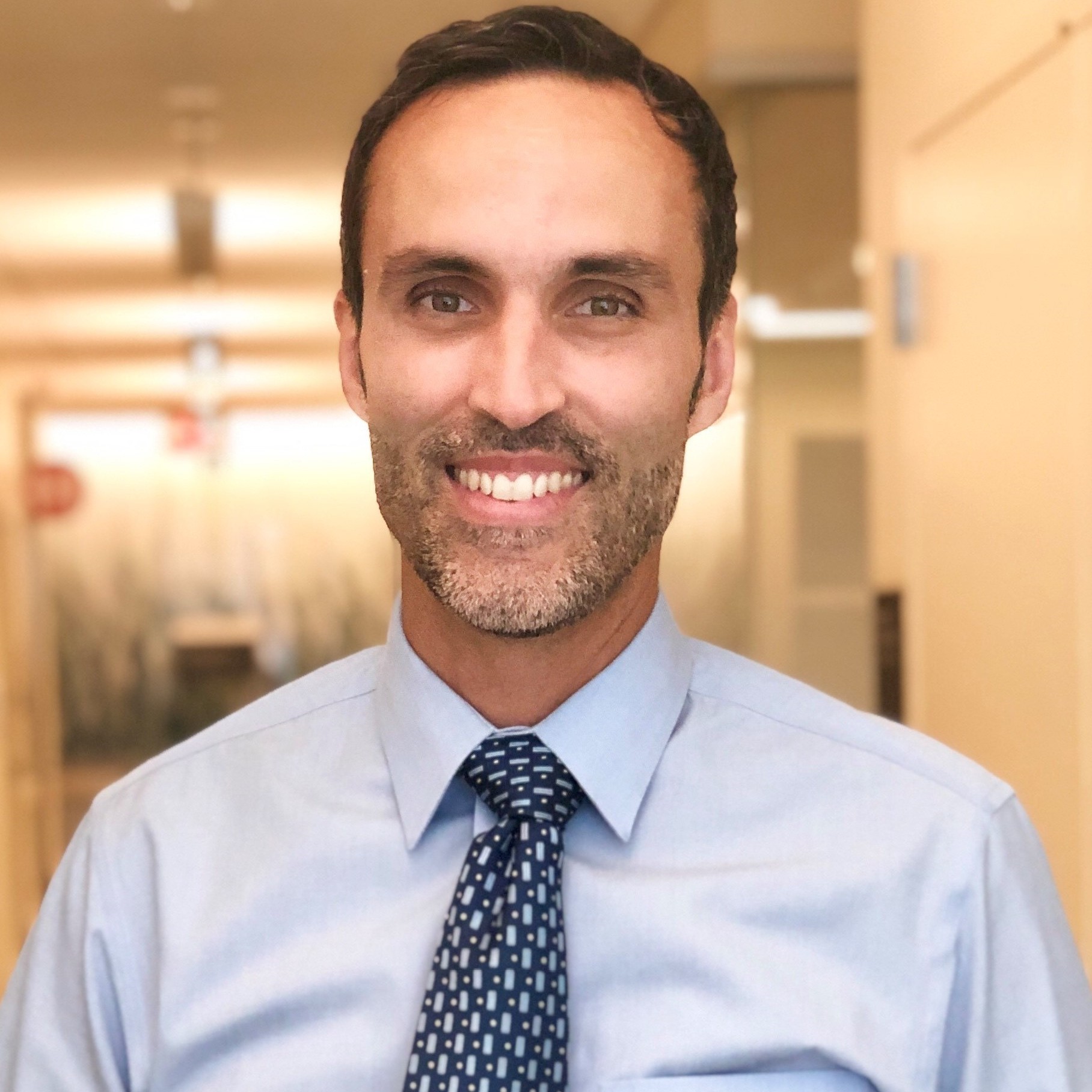
Gaston Baslet, MD
Bruce W Carter, Department of Veterans Affairs
Affiliated Professor, Department of Psychiatry and Behavioral Sciences, University of Miami
Faculty, Brigham and Women’s Hospital
Associate Professor of Psychiatry, Harvard Medical School
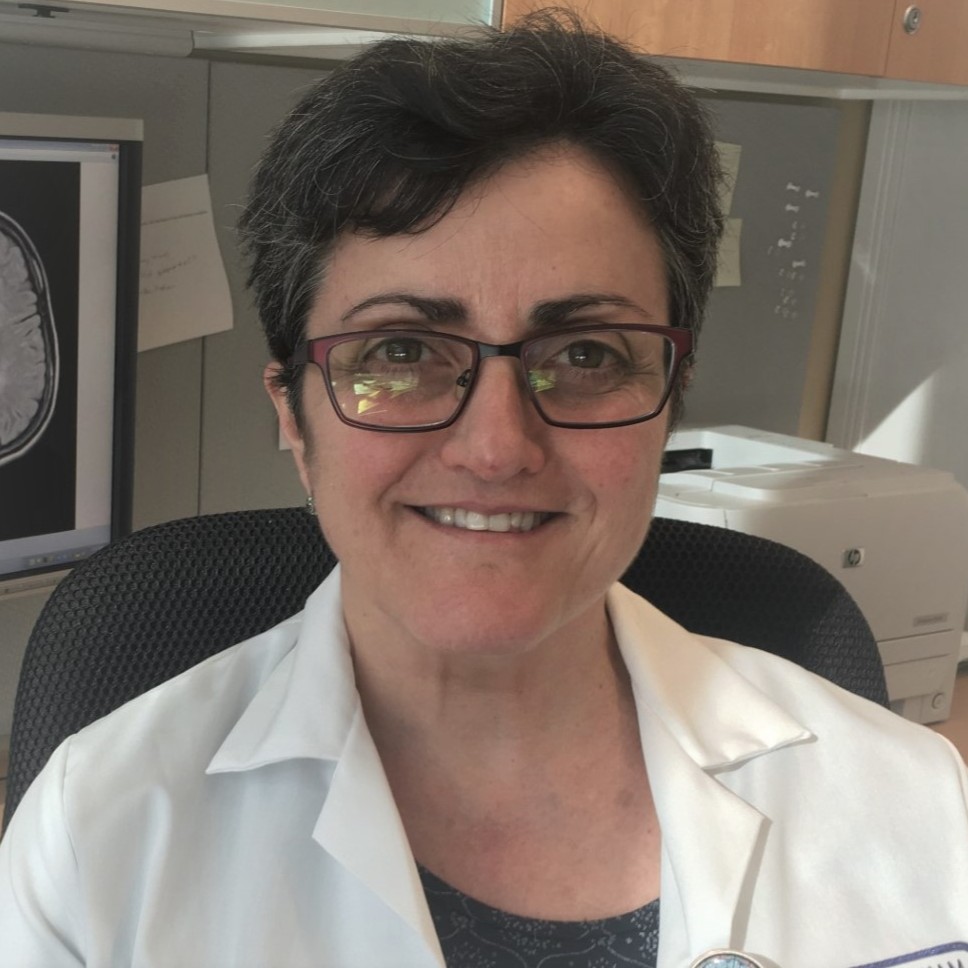
Laura T. Safar, MD, DFAPA
Vice Chair, Psychiatry & Behavioral Medicine, Lahey Hospital and Medical Center
Program Director, Lahey Psychiatry Residency Program
Associate Professor of Psychiatry, University of Massachusetts Chan Medical School
Faculty, Brigham and Women’s Hospital
Lecturer on Psychiatry, Part-time, Harvard Medical School
Speakers:

Abby N. Altman, PhD
Licensed Psychologist and Geropsychologist
Founder, Altman Interventions LLC
Gaston Baslet, MD
Bruce W Carter Department of Veterans Affairs
Affiliated Professor, Department of Psychiatry and Behavioral Sciences, University of Miami
Brigham and Women’s Hospital
Associate Professor of Psychiatry, Harvard Medical School
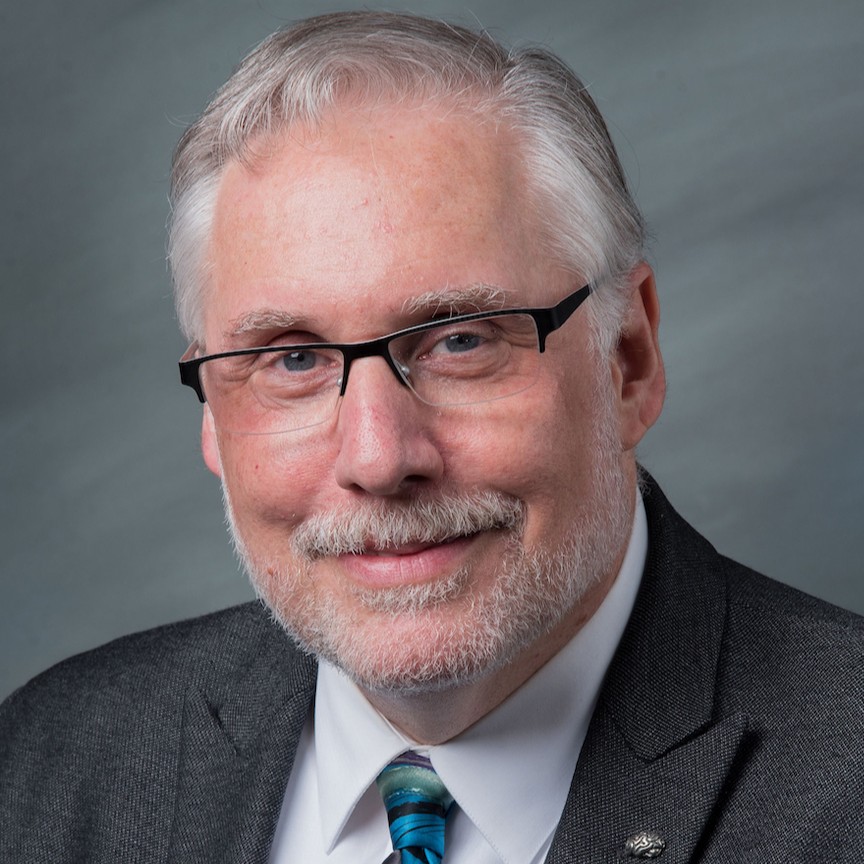
Sheldon Benjamin, MD
Emeritus Professor of Psychiatry and Neurology
Director of Neuropsychiatry, Department of Psychiatry
University of Massachusetts Chan School of Medicine
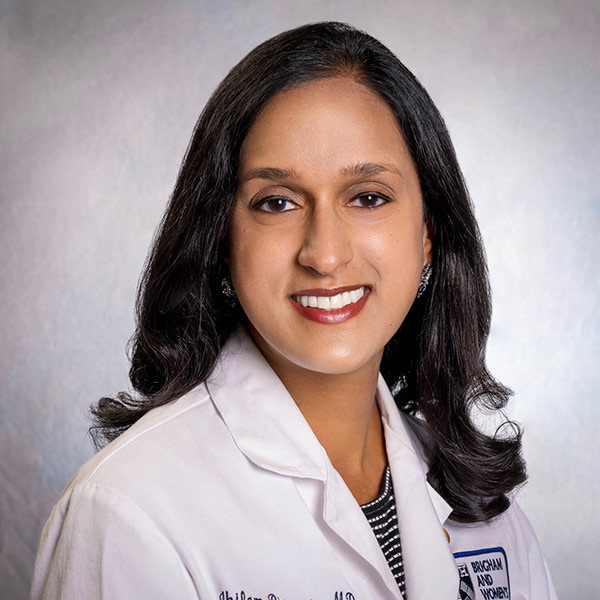
Jhilam Biswas, MD, DFAPA
Director, Psychiatry, Law, and Society Program
Co-director, Harvard Mass General Brigham Forensic Psychiatry Fellowship
Consult Liaison Psychiatry Clinical Lead, Forensic Psychiatry
Mass General Brigham Academic Medical Center
Instructor Part-Time, Harvard Medical School
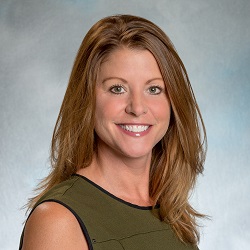
Katherine E Burdick, PhD
Diane Goldman Kemper Family Professor of Medical Psychology
Vice Chair of Research, Department of Psychiatry
Vagelos College of Physicians and Surgeons, Columbia University
Director of Research
New York State Psychiatric Institute
Kirk R. Daffner, MD, FANA, FAAN, FANPA
Director, Center for Brain and Mind Medicine
Mass General Brigham
J. David and Virginia Wimberly Professor of Neurology
Harvard Medical School

Brad Dickerson, MD, FAAN, FANA, FANPA
Professor of Neurology, Harvard Medical School
Tommy Rickles Chair in Progressive Aphasia Research
Director, Frontotemporal Disorders Unit and Laboratory of Neuroimaging, Massachusetts General Hospital
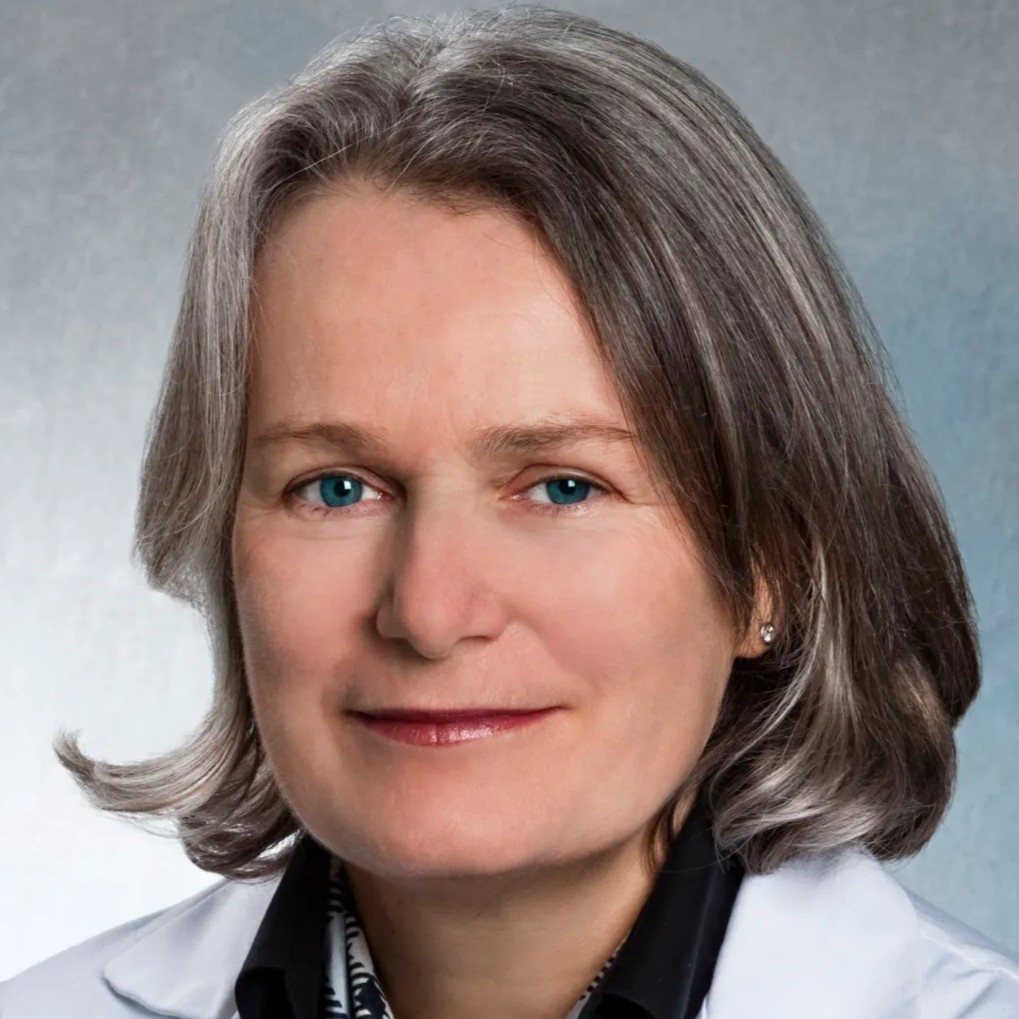
Nancy J. Donovan, MD
Director of Research, Division of Geriatric Psychiatry
Departments of Psychiatry and Neurology, Mass General Brigham
Associate Professor of Psychiatry, Harvard Medical School
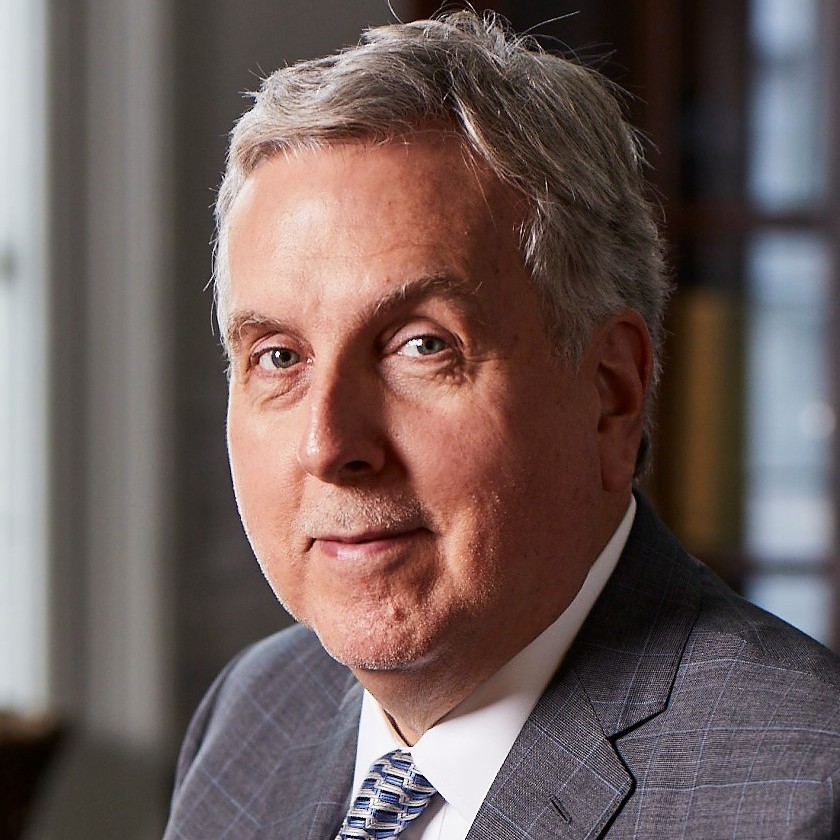
Maurizio Fava, MD
Chair, Mass General Brigham Department of Psychiatry
Co-Chair, Mass General Brigham Research Oversight Committee (ROC)
Executive Director, Clinical Trials Network and Institute (CTNI)
Slater Family Professor of Psychiatry
Harvard Medical School
Barry Fogel, MD, MBA
Professor of Psychiatry, Part-time, Harvard Medical School
Residency in Neurology, Harvard-Longwood Program (Boston Children’s Hospital, Brigham and Women’s Hospital,
Beth Israel Hospital)
Residency in Psychiatry, Stanford Medical Center
Neurologist and Psychiatrist, Brigham and Women’s Hospital and Dana-Farber Cancer Institute

Michael D. Fox, MD, PhD
Professor of Neurology and Psychiatry, Harvard Medical School
Director, Center for Brain Circuit Therapeutics
Raymond D. Adams, MD, Endowed Chair in Neurology
Kaye Family Research Director of Psychiatric Brain Stimulation
Mass General Brigham
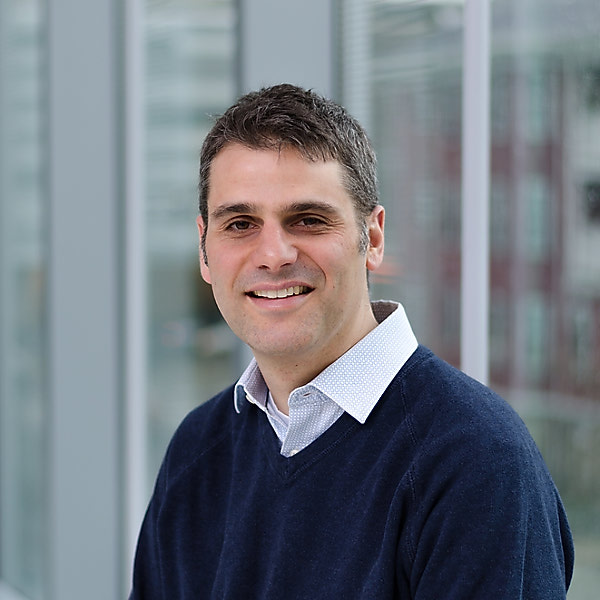
Seth A. Gale, M.D.
Associate Neurologist, Center for Brain/Mind Medicine, Brigham and Women's Hospital
Center for Alzheimer Research and Treatment (CART)
Assistant Professor of Neurology, Harvard Medical School

Catherine Gonzalez, MD
Associate Chief, Division of Geriatric Psychiatry and Aging
MGB AMC Psychiatry
Medical Director of Faculty, Trainee & Employee Mental Health
Brigham and Women's Hospital
Assistant Professor of Psychiatry, Harvard Medical School

Deborah Green, PhD ABPP-CN
Division of Neuropsychology, Department of Neurology
Brigham and Women’s Hospital
Instructor of Neurology
Harvard Medical School
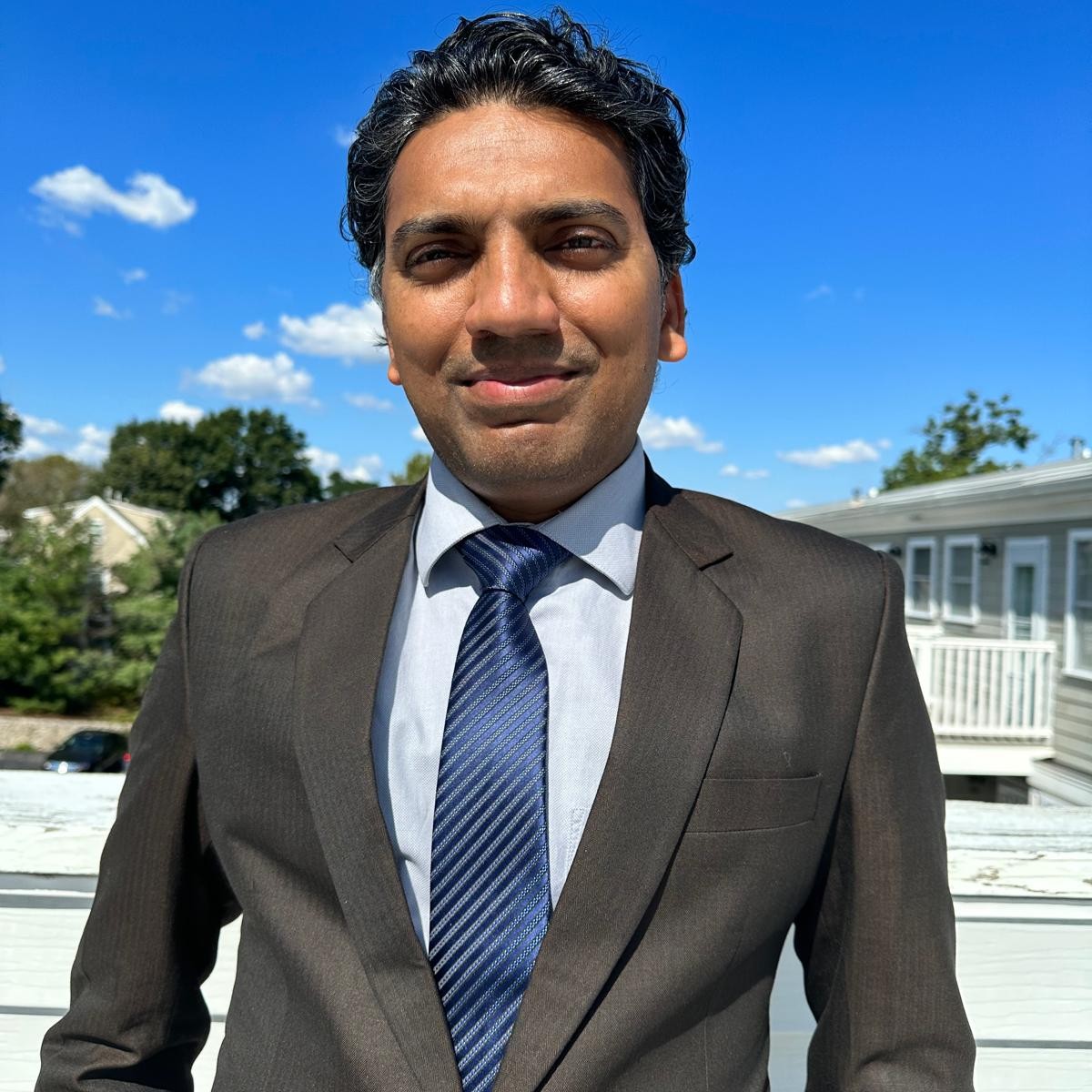
Rishab Gupta, MD
Associate Psychiatrist, Mass General Brigham Academic Medical Centers' Department of Psychiatry
Staff Neuropsychiatrist, Center for Brain/Mind Medicine, Brigham and Women's Hospital
Instructor in Psychiatry, Harvard Medical School
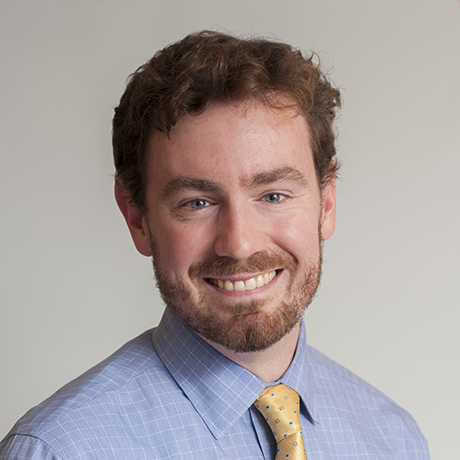
Christopher Keary, MD
Behavioral Director, MGH Angelman Syndrome Clinic
Assistant Professor of Psychiatry, Harvard Medical School
Staff Psychiatrist, Lurie Center for Autism
Massachusetts General Hospital for Children

Joshua P. Klein, MD, PhD
Professor of Clinical Neurology, Harvard Medical School
Department of Neurology, Mass General Brigham

Isaiah Kletenik, MD
Assistant Professor, Harvard Medical School
Associate Neurologist, Brigham and Women’s Hospital
Department of Neurology and Center for Brain Circuit Therapeutics

Stanley Lyndon, MD
Co-Director, Center for Brain and Mind Medicine
Medical Director, Division of Neuropsychiatry
Neuropsychiatry Lead, Division of Medical Psychiatry
Director of TMS Education, Center for Brain Circuit Therapeutics
Co-Director, Behavioral Neurology and Neuropsychiatry Fellowship Program
Brigham and Women’s Hospital
Harvard Medical School
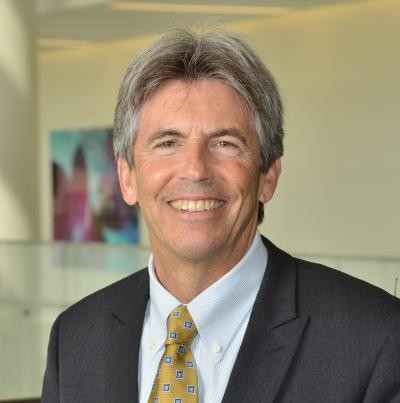
Thomas W. McAllister, MD
Albert Eugene Sterne Professor of Psychiatry & Neurology
Indiana University School of Medicine
Scott McGinnis, MD
Center for Brain/Mind Medicine and Center for Alzheimer's Research and Treatment, Brigham & Women’s Hospital
Frontotemporal Disorders Unit, Massachusetts General Hospital
Assistant Professor of Neurology, Harvard Medical School

Susanna Mierau, MD, DPhil
Assistant Professor of Neurology
Harvard Medical School
Associate Neurologist & Principal Investigator
Division of Cognitive and Behavioral Neurology
Brigham & Women's Hospital
Adult Neurologist
Lurie Center for Autism, Massachusetts General Hospital
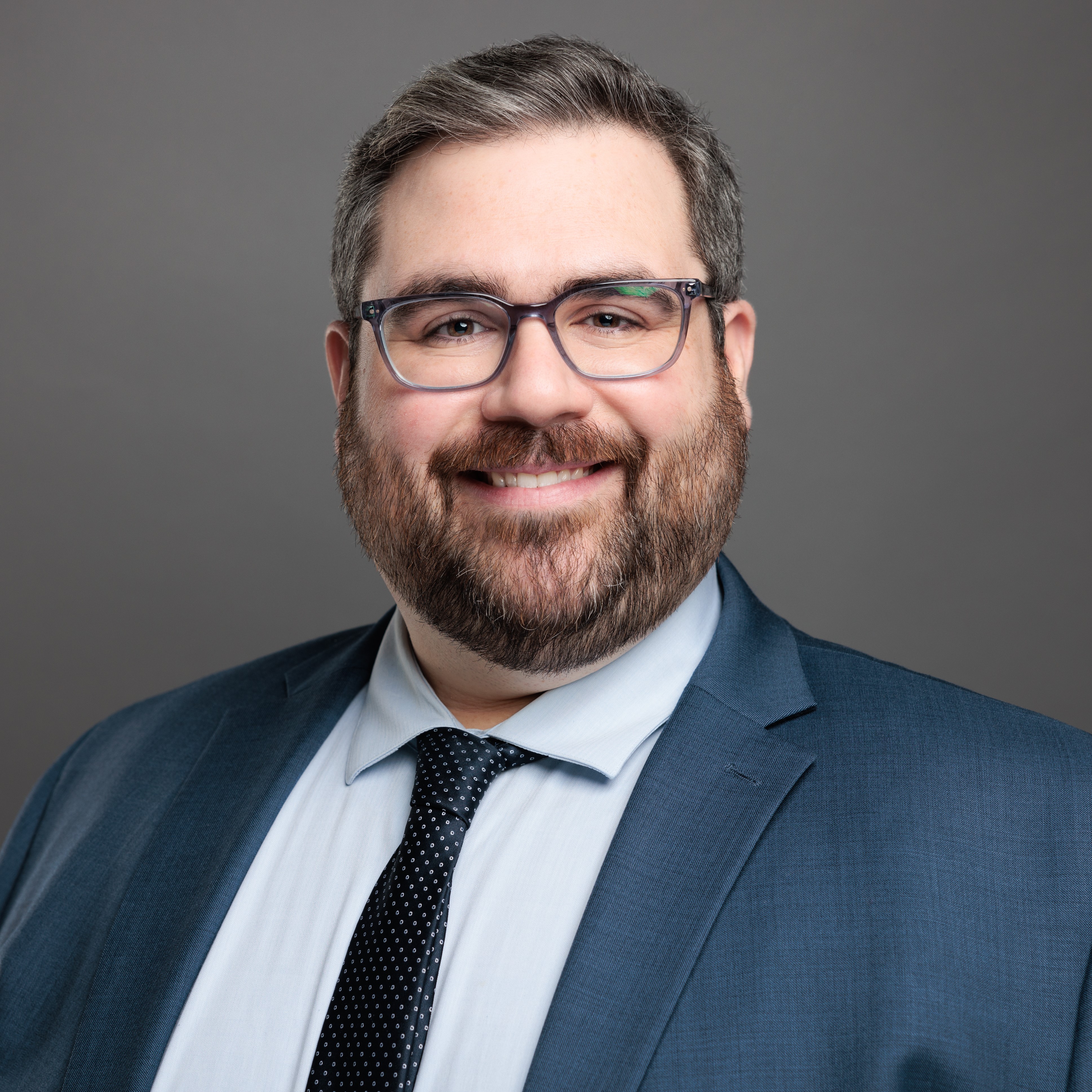
Damien M. Miran, MD
Clinical Director, DFCI Inpatient Psychiatry Consult Service
Department of Supportive Oncology
Dana-Farber Cancer Institute
Division of Medical Psychiatry, Brigham and Women's Hospital
Instructor in Psychiatry, Harvard Medical School

Milena Pavlova, MD
Department of Neurology, Brigham and Women's Hospital
Associate Professor, Harvard Medical School
Medical Director, Sleep and EEG Testing Centers - BWFH
Course Director, Sleep
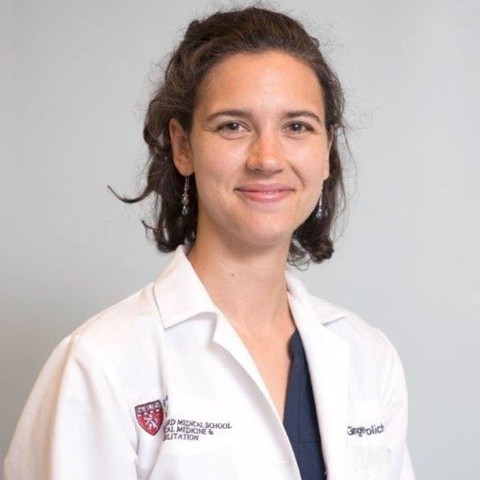
Ginger Polich, MD, MS
Assistant Professor of Physical Medicine and Rehabilitation
Spaulding Rehabilitation Hospital
Laura T. Safar, MD, DFAPA
Vice Chair, Psychiatry & Behavioral Medicine, Lahey Hospital and Medical Center
Program Director, Lahey Psychiatry Residency Program
Associate Professor of Psychiatry, University of Massachusetts Chan Medical School
Faculty, Brigham and Women’s Hospital
Lecturer on Psychiatry, Part-time, Harvard Medical School
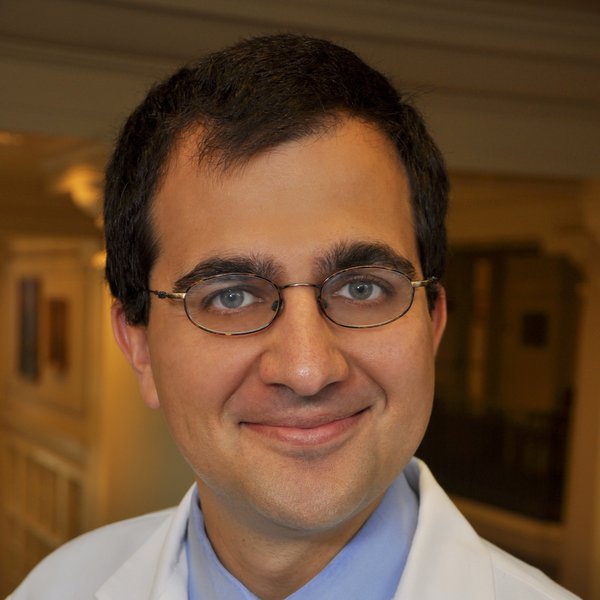
Jeremiah M. Scharf, MD, PhD, FANPA
Founding Director, Tic Disorders Unit, Division of Movement Disorders, Division of Cognitive and Behavioral Neurology
Departments of Neurology and Psychiatry
Co-Director, MGB-TAA Tourette Syndrome Center of Excellence
Principal Investigator, Psychiatric and Neurodevelopmental Genetics Unit, Center for Genomic Medicine
Mass General Brigham
Associate Professor of Neurology, Harvard Medical School
Associate Member, Stanley Center for Psychiatric Research
The Broad Institute of the Massachusetts Institute of Technology and Harvard
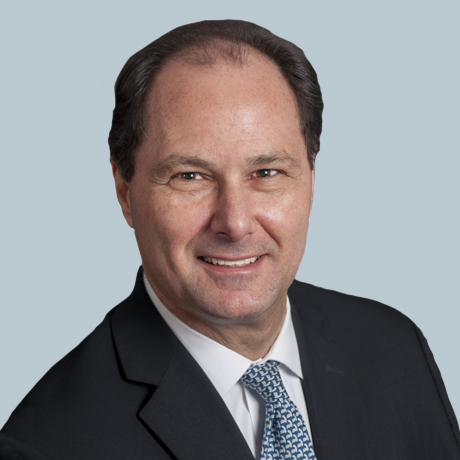
Jeremy D. Schmahmann, MD, FAAN, FANA, FANPA
Martha and Robert Fogelman Endowed Chair in Ataxia and Cerebellar Neurology
Founding Director, MGH Ataxia Center, Center of Excellence of the National Ataxia Foundation, and Mission MSA
Division of Behavioral Neurology
Schmahmann Laboratory for Neuroanatomy and Cerebellar Neurobiology
Department of Neurology, Massachusetts General Hospital
Professor of Neurology, Harvard Medical School
David A. Silbersweig, MD
Chairman Emeritus, Department of Psychiatry
Brigham and Women’s Hospital
Stanley Cobb, Professor of Psychiatry
Harvard Medical School
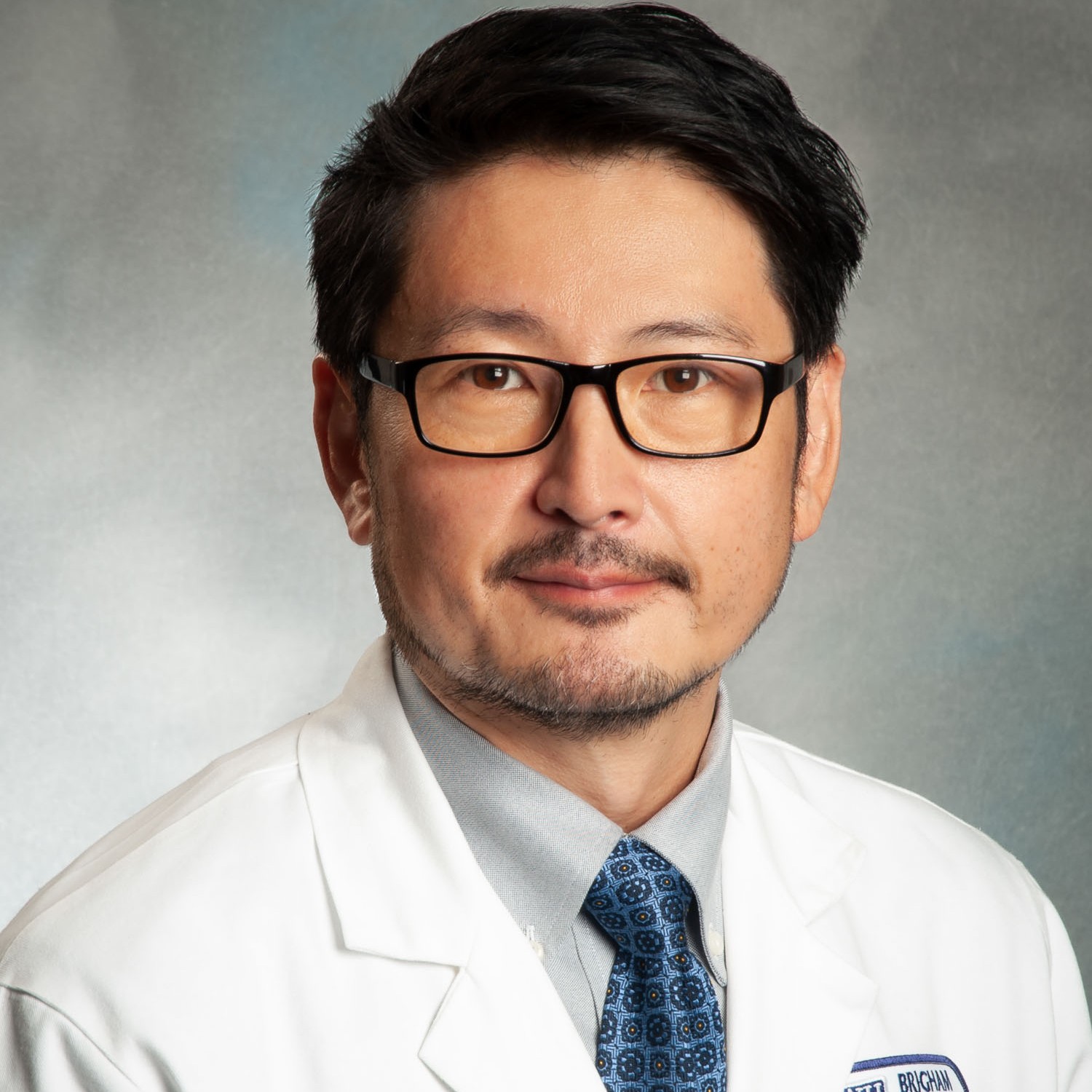
Joji Suzuki, MD, FACLP, FASAM
Division of Addiction Treatment and Prevention, AMC Psychiatry Department, Mass General Brigham
Program Director, Brigham and Women’s Hospital Addiction Medicine Fellowship Program
Associate Professor of Psychiatry, Harvard Medical School
Principal Investigator, SuzukiLab
Brigham and Women’s Hospital
Juan Carlos Urizar, MD
Medical Director, Division of Geriatric Psychiatry and Aging, Department of Psychiatry
Mass General Brigham
Associate Psychiatrist, Department of Psychiatry, Mass General Brigham
Instructor in Psychiatry, Harvard Medical School

Daniel Weisholtz, MD
Associate Neurologist
Brigham and Women's Hospital and Massachusetts General Hospital
Assistant Professor of Neurology, Harvard Medical School

Emma L. Weizenbaum, PhD
Clinical Neuropsychologist, Department of Neurology
Brigham and Women’s Hospital
Instructor, Harvard Medical School
Brigham Health, Massachusetts General Brigham Hospital
Center for Brain Mind Medicine
Available Credit
- 20.00 AAPA Category 1 CME MGH Institute of Health Professions has been authorized by the American Academy of PAs (AAPA) to award AAPA Category 1 CME credit for activities planned in accordance with AAPA CME Criteria. This activity is designated for 20.00 AAPA Category 1 CME credits. Approval is valid until 10/31/2026. PAs should only claim credit commensurate with the extent of their participation.
- 20.00 AMA PRA Category 1 Credit™
This activity has been planned and implemented in accordance with the accreditation requirements and policies of the Accreditation Council for Continuing Medical Education (ACCME) through the joint providership of IHP and Massachusetts General Hospital. IHP is accredited by the ACCME to provide continuing medical education for physicians.
IHP designates this Live activity for a maximum of 20.00 AMA PRA Category 1 Credit™. Physicians should only claim credit commensurate with the extent of their participation in the activity.
- 20.00 Nursing Contact Hours
Massachusetts General Laws, Chapter 13, sections 13, 14, 14A, 15 and 15D and Chapter 112, sections 74 through 81C authorize the Board of Registration in Nursing to regulate nursing practice and education.
This program meets the requirements of the Massachusetts Board of Registration in Nursing (244 CMR 5.00) for 20.00 contact hours of nursing continuing education credit. Advance practice nurses, please note: Educational activities which meet the requirements of the ACCME (such as this activity) count towards 50% of the nursing requirement for ANCC accreditation.
- 20.00 Social Workers
As a Jointly Accredited Organization, the MGH Institute of Health Professions is approved to offer social work continuing education by the Association of Social Work Boards (ASWB) Approved Continuing Education (ACE) program. Organizations, not individual courses, are approved under this program. State and provincial regulatory boards have the final authority to determine whether an individual course may be accepted for continuing education credit. MGH Institute of Health Professions maintains responsibility for this course. Social workers completing this course receive 20.00 clock hours for continuing education credits.
- 20.00 Participation
This course allows other providers to claim a Participation Certificate upon successful completion of this course.
Participation Certificates will specify the title, location, type of activity, date of activity, and number of AMA PRA Category 1 Credit™ associated with the activity. Providers should check with their regulatory agencies to determine ways in which AMA PRA Category 1 Credit™ may or may not fulfill continuing education requirements. Providers should also consider saving copies of brochures, agenda, and other supporting documents.
- 20.00 Psychologists CE Credit
Continuing Education (CE) credits for psychologists are provided through the co-sponsorship of the American Psychological Association (APA) Office of Continuing Education in Psychology (CEP). The APA CEP Office maintains responsibility for the content of the programs. MGH Institute of Health Professions designates this activity for 20.00 CE credit.
Price
Required Hardware/software
Hardware/Software Specifications
This internet-based CME activity is best experienced using Internet Explorer 8+, Mozilla Firefox 3+, and Safari 4+. This Web site requires that JavaScript and session cookies be enabled. Certain activities may require additional software to view multimedia, presentation, or printable versions of the content. These activities will be marked as such and will provide links to the required software. That software may be Adobe Flash, Adobe Acrobat, Microsoft PowerPoint, and Windows Media Player.
Optimal System Configuration
Flash Player: Adobe Flash Player 10.1+
Browser: Firefox 3+, Internet Explorer 8.0+, Safari 4.0+, or Google Chrome 7.0+
Operating System: Windows XP+ or Mac OS X 10.4+
Internet Connection: 1 Mbps or higher
Minimum Requirements
Windows PC:500-MHz Pentium II; Windows XP or higher; 128 MB RAM; Video Card at least 64MB of video memory; Sound Card at least 16-bit; Macromedia Flash Player 10 or higher, audio playback with speakers for programs with video content; Firefox 1.1+, Internet Explorer 7.0+, Safari 1.0+, Google Chrome, or Opera
Macintosh: Mac OS X 10.3 or higher with latest updates installed; 1.83MHz Intel Core Duo or faster; RAM: 128MB or more; Video Card: at least 64MB of video memory; Sound Card: at least 16-bit